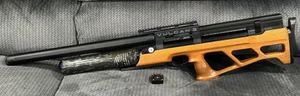
Traveling with Airguns: What every airgun owner should know
Traveling with airguns can be simple and stress-free when you understand the laws, airline policies, and proper transportation methods before heading out. Whether you’re traveling for hunting, competition shooting, or recreational shooting, taking the right precautions helps protect your equipment and prevents unnecessary issues during travel.
Unlike traditional firearms, airguns are regulated differently depending on the state, airline, or country you’re traveling through. Some locations treat high-powered PCP air rifles similarly to firearms, while others have far fewer restrictions. Before traveling, it’s important to research local laws for both your destination and any states you may pass through.
Flying With Airguns
Most major airlines allow airguns in checked baggage, but they must be transported properly. Airguns should always be:
Unloaded
Stored in a hard-sided locking case
Declared at check-in if required by the airline
Protected from movement inside the case
Many shooters use heavy-duty rifle cases from brands like Pelican or Plano to protect expensive optics and rifles during travel. High-end PCP rifles such as the FX Impact M4 Copper Edition or Western Airguns Rattler .30 Cal represent a significant investment, so quality protection is essential.
One of the most important things to remember is that compressed air cylinders generally cannot be transported while pressurized on commercial flights. Most airlines and TSA guidelines require removable air tanks to be completely depressurized before flying.
Traveling By Vehicle
Road trips with airguns are typically much easier than airline travel, but proper storage is still important. Keeping your airgun secured in a padded rifle case helps protect both the rifle and your optics during transportation.
For longer trips:
Keep extra pellets and slugs organized
Bring cleaning supplies
Carry spare O-rings and fill adapters
Protect optics from impacts and vibration
Store air tanks safely and avoid extreme temperatures
Many shooters also travel with portable compressors or carbon fiber tanks to refill PCP rifles in the field.
Crossing State Lines
Airgun laws can vary dramatically depending on location. Certain states and cities have restrictions on:
Caliber size
Hunting use
Transportation requirements
Airgun classifications
Always verify current regulations before traveling. This is especially important for high-powered big bore platforms or semi-automatic PCP rifles.
Protecting Your Optics During Travel
Precision optics deserve just as much attention as the rifle itself. Scopes like the Burris Eliminator 5 5-20x50mm or Leupold Mark 5HD 5-25x56 M1C3 FFP PR1-MOA should be secured carefully to prevent loss of zero or damage during transport.
Using:
Scope covers
Foam-lined hard cases
Anti-moisture packs
Secure mounting systems
can help ensure your setup arrives ready to shoot.
Final Thoughts
Traveling with airguns doesn’t have to be complicated. With proper planning, quality protective gear, and an understanding of local regulations, airgun owners can safely transport their rifles and equipment almost anywhere. Whether you’re heading to a competition, a hunting trip, or simply a weekend range session, preparation is the key to protecting your gear and enjoying a smooth travel experience.
For more airgun guides, optics reviews, and PCP rifle content, follow Superior Air Sports for the latest products and shooting insights.